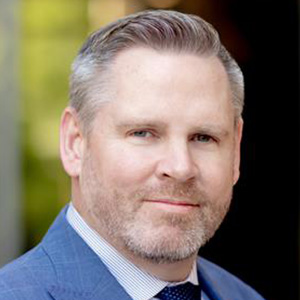
Episode 123 | The ins and outs of business transition planning

In this episode of Investments Unplugged, host Kevin Headland is joined by Angelo Parziale, Director of Practice Management at Manulife Investments, to explore an issue of utmost importance to many Canadian business owners: planning for their eventual exit from, and smooth transition of, the business they may have spent years building.
For many such owners, the business may be their most significant financial and personal asset—yet many haven’t put the necessary plans in place to facilitate the exit and transition process. That planning gap can create challenges, but also opportunities, for both unprepared business owners and financial advisors who can help them prepare.
Take a listen for actionable tips and insights you may be able to apply to client portfolios before year-end.
Important disclosure
Important disclosure
This communication is not and under no circumstances is to be construed as an invitation to make an investment in the Manulife Real Asset Investment Fund (the “Fund”), nor does it constitute a public offering to sell the securities of the Fund. The offering of units of the Fund is made pursuant to its Confidential Offering Memorandum only to those “accredited investors” in certain jurisdictions of Canada who meet certain eligibility and cannot be sold in Canada to the general public. The offering memorandum contains important information regarding the fund’s investment objectives, strategies, restrictions, risks, fees, redemption limitations, liquidity and other matters of interest. There are no assurances that the stated investment objectives of the fund will be met. Applications for investment in the Fund will only be considered on the terms set out in the Confidential Offering Memorandum, a copy of which can be obtained from us. Eligible investors should review the Confidential Offering Memorandum carefully before deciding to purchase units and should note that alternative investments can involve significant risks. The Fund is not guaranteed, its values may change frequently and past performance may not be repeated.
The opinions expressed are those of Manulife Investment Management as of the date of this publication, and are subject to change based on market and other conditions. The information and/or analysis contained in this material have been compiled or arrived at from sources believed to be reliable but Manulife Investment Management does not make any representation as to their accuracy, correctness, usefulness or completeness and does not accept liability for any loss arising from the use hereof or the information and/or analysis contained herein. Manulife Investment Management disclaims any responsibility to update such information. Neither Manulife Investment Management or its affiliates, nor any of their directors, officers or employees shall assume any liability or responsibility for any direct or indirect loss or damage or any other consequence of any person acting or not acting in reliance on the information contained herein.
All overviews and commentary are intended to be general in nature and for current interest. While helpful, these overviews are no substitute for professional tax, investment or legal advice. Clients should seek professional advice for their particular situation. Neither Manulife, Manulife Investment Management Limited, Manulife Investment Management, nor any of their affiliates or representatives is providing tax, investment or legal advice. Past performance does not guarantee future results. This material was prepared solely for informational purposes, does not constitute an offer or an invitation by or on behalf of Manulife Investment Management to any person to buy or sell any security and is no indication of trading intent in any fund or account managed by Manulife Investment Management. No investment strategy or risk management technique can guarantee returns or eliminate risk in any market environment. Unless otherwise specified, all data is sourced from Manulife Investment Management.
Manulife, Manulife Investment Management, the Stylized M Design, and Manulife Investment Management & Stylized M Design are trademarks of The Manufacturers Life Insurance Company and are used by it, and by its affiliates under license.
Commissions, trailing commissions, management fees and expenses all may be associated with mutual fund investments. Please read the prospectus before investing. The indicated rates of return are the historical annual compounded total returns net of fees and expenses payable by the fund (except for figures of one year or less, which are simple total returns) including changes in security value and reinvestment of all dividends/distributions and do not take into account sales, redemption, distribution or optional charges or income taxes payable by any securityholder that would have reduced returns. Mutual funds are not guaranteed, their values change frequently, and past performance may not be repeated. The views expressed are those of Manulife Investments and/or the sub-advisor(s) and are subject to change based on market and other conditions. All overviews and commentary are intended to be general in nature and for current interest. While helpful, these overviews are no substitute for professional tax, investment or legal advice. Clients and prospects should seek professional advice for their particular situation. Neither Manulife Investments, nor any of its affiliates or representatives is providing tax, investment or legal advice. Neither Manulife Investments or its affiliates, nor any of their directors, officers or employees shall assume any liability or responsibility for any direct or indirect loss or damage or any other consequence of any person acting or not acting in reliance on the information contained here.
6104351
Transcript
Transcript
Commentaries for general information purposes only. Clients should seek professional advice for their particular situation.
If you work of business owners, there's a good chance one of the biggest assets isn't sitting in their investment portfolio. It's their business. And for many owners, that business represents not only years of hard work, but a significant part of their financial future. More than half of Canadian business owners are looking to exit within the next ten years.
Yet many still don't have a formal plan for how they're going to get there. That creates both a challenge for business owners and a real opportunity for financial advisors. On today's episode of Investments Unplugged, I'm joined by Angelo, Director of Practice Management at Manulife Investments, to talk about exit planning, why these conversations need us to earlier, and how advisors can play an important role in helping business owners prepare for whatever comes next.
Welcome back to Investments Unplugged, I'm your host Kevin Headland Co-chief Investment strategist at Manulife Investments. And with me today talking about practice management and helping business owners prepare for what's next or even for what now is Angelo Parziale, director of practice management. Angelo, welcome to the podcast. Thank you very much. I'm really excited to be here on this episode.
Yeah, it's a really interesting topic. And I think something that people don't think about too much in the first week from advisor perspective, but even from an entrepreneur or business owner perspective, it's important to see it from both sides of the equation, getting right into it. You know, Angelo, start with a big picture. Give us a quick sense of the business owner landscape in Canada, and white visors should be paying attention to this right now.
Yeah. Great question to start off. So let me take a step back here to answer that question. So part of Manulife Investments commitment to supporting advisors that we partner with the Exit Planning Institute. I'll talk a little bit more about them in a few moments here. But it was really to sponsor a study called the 2025 State of Honour Readiness National Report to really, you know, what we wanted to do was better understand how Canadian business owners are thinking about their future, you know, how prepared they are for a transition and where the planning gaps may exist.
And and so, you know, not only does the research tell us that more than half of these respondents really plan to exit the business in the next ten years. It also tells us that probably 72% agree that having an exit strategy is really important for their future and the future of the business. And I want to touch on a few more statistics and then, you know, show you how or share with our listeners how important this is here.
So while many of them, most of them agree that they need to have an exit strategy for themselves and their and their business. Eight out of ten have no written transition plan. 74% have no formal exit advisory team. I would say almost 80% have no written personal plan on how they'll spend the rest of their lives once they're out of the business.
And, you know, almost half don't even have a personal financial plan. So and the reason we're looking at this is, yeah, the research does reveal that there's an important disconnect. Many owners, they may recognize the planning matters, but few have taken the steps to prepare. And so having this information for advisor making it ready available to them, I think to help them understand that there's clear opportunities for them to work with business owners before I would say during and even after the sale or transition of the business, as they'll be the one managing those assets.
And so it's about positioning themselves as the trusted advisor or the trusted resource person in that business owners network.
Angelo, I think it's really interesting is when you talk about that, and it's very similar to advisors in their client relationships and clients looking retirement and not being ready for retirement and know they need to be ready, but aren't really focus on that until almost it's already there upon them. Yeah.
Let's step back a little bit and talk about the Exit Planning Institute and why Manulife partnered with them. And what is, you know, was it expertise really mean? Okay. Yeah. So as I said, you know, we established this relationship with the Exit Planning Institute for a number of reasons here. One, it's an established organization really focused on specifically on the exit planning, education, research and professional development.
And they've been doing this for more than two decades for advisors, be it for national services, visors or other advisors in different fields. But I think this is really valuable for us to bring to financial services advisors. They also administer what we call the CPA designation, which is known as the Certified Exit Planning Advisor designation. And that's, I think, important.
It provides advisors with a with a proven framework for engaging business owners and guiding the transition and having these challenging exit planning conversations. They also provide an interesting process to work with business owners, what they call the value acceleration methodology. And and that is a key component, really, of the whole exit planning process and the foundation of the curriculum.
And it's something that we feel advisors should be familiar. And having that process, whether they build their own process or use one, this is a valuable one. And so really, what it's allowed us to do really to differentiate ourselves and help advisors differentiate themselves is to help us create, you know, a program presentation that we call Empowering business owner conversation, which is in line with the theme that we're talking about here today.
And our objective with that is to educate advisors about the different concepts and findings, some from the Exoplanet Institute and some from the research and knowledge that we have. And as to how advisors can benefit from this information as it pertains to their marketing, networking efforts and and relationship building with not just business owners, but also centers of influence.
So I think that that combination of specialization, education, research and even methodology and the professional reach made from the API, it made a really strong partner for this initiative for us in Manulife Investments. In your conversations with advisors. Do you find there's a lot of understanding or even awareness of that does. No, not necessarily, and probably because it is a US based organization.
Okay. That has some, I think last count, some 11,000 CPA advisors out there, but have that tally. There's roughly, I think last about 300 or so or just under 300 Canadian advisors, and many are financial services advisors. So I think in some aspect we also want to talk about this and create the awareness. And it's interesting you ask the question because every time I've been brought in to deliver a presentation or workshop by the sales team for advisors, I do often get questions what is the CPA?
How can I get involved in that? So I think part of our role is also educating advisors what is out there and to say, hey, you know what? Perhaps this could be an interesting approach, a different approach you can have when working with business owners and see why. So if advisor looking to expand their knowledge and horizon, that is of course that will be more than happy to share information about.
They can easily go to the exit planning instant as well and get a whole bunch of information that's there. So no, not very well known in Canada, but I think we're doing some great work to market it, in the with the objective of, hey, this is something different. And if you do want to work with business owners and keep professionals their center of influences, this could be something that could differentiate you from your competition on the street.
No, it's really interesting. I think when you talk about advisors, especially as they chase or go after high net worth individuals, that tends to be very highly correlated with those that own businesses. And of course, it's great in the accumulation phase. And yes, they have money, but helping them walk through and plan not only their own personal lives and the lives of their families, but also their business and planning, and give you the holistic advisor to the entire ring fencing of of them and their business.
I think that makes a lot of sense. Yeah. Well said. We'll said. When we talk about the three challenges, I think that's really important here. Can you just walk again through those three challenges that you're facing, that you see right now with Canadian business owners? Yeah. And that's important to highlight. Right. Because I said before, right. These business owners do recognize the importance.
But yet yet you know, they're not doing anything about it. And you highlight it. Well, I think there are three key challenges. And it'll take a moment to break down each one here. And the first one, I think, frankly, is business. Many business owners are unprepared for the next, next, this next stage of their lives. So this exit, I mean, there's uncertainty.
They don't know what to do, how to do it, when to start planning, what their options are. In some cases, there's confidentiality concerns. Hey, I don't want anybody to know that I'm selling my business and coming into some wealth here. As I said before, many have no idea what's next. They live and breathe and built this business and work in it.
Very few I've ever thought about life after the business, what they want to do, what are their, you know, what's their legacy? What do they want to do with family? Those are questions that advisors should be asking and help them clarify. The second challenge, I think, revolves around the fact that many exits or numerous exits are involuntary. What do I mean by that?
And I love how the Exit Planning Institute classifies as the five D's, and those five deeds are the followings death, disability, disagreement, perhaps with a partner or whatnot. Distress. It could be economic distress, political distress that could have an impact on the business. And in some cases it could also be divorce and family implications. And what's happening is advisors or sorry, business owners are not necessarily factoring in these situations and having contingency plans to deal with this.
If you're faced with any one of this. I mean, you know, we've seen many of businesses perhaps not being sold to its full valuation. In fact, one might call it a value, a fire sale, because there's none of these protection elements, if you like, put in place to ensure that these things will not impact the future growth of the business.
I would say even the future value for the family and wealth for the family. And the third thing I think, which is not often addressed enough, is, you know, many business owners are not necessarily focused on value creation. I mean, a lot of them might be leaving cash on the table because they're so focused on income generation, but not on enterprise value.
I mean, and it makes sense, right? I mean, if you have conversations with business owners and perhaps their team of professionals and you look at their metrics typically comes down, hey, revenue and profitability in some way, shape or form, and I understand that. But rarely do you see the owners and maybe their teams and their advisory teams talk about how they're increasing value of the business on a monthly, perhaps quarterly, annual basis.
And, you know, at some point in time what we're trying to say here. Yes, it's important about the revenue and the profitability, but we're also looking to find ways to how do we increase the wealth of this individuals by making sure we focus on value creation, so that when they do sell that business, it can be sold for multiple multiples because of different processes that have been put in place with the financial advisor and the advisory team.
So as I said, it's all about creating the wealth from the business and that can have a unit impact on their financial needs and objectives, whatever they may be. It's such an important comment as well. And if you, you know, relate to something more similar, you think about owning a home, you think about owning a home and living at home.
And it serves a need and it's a purpose and you have it. You don't think about the value of your home when you sell it because it's in the future. You don't need to sell it and you'll think about, oh, should I improve the the look and feel? Do I put renovations? Do I increase the value of my home?
And how do I do it until they need to sell it. And that's I think, you know, kind of related to the, the business. And I think that's what they have. And if I can add to your comment there, what I probably should add early because you made me think about something here. If you think about these business owners, right, a huge portion of their wealth is tied into the business.
And some studies will say that as and particularly when we're looking at small and medium sized businesses, as much as 80% of of business owners wealth may be tied to that business. So that can have huge implications later on in life, despite the fact that in the short term, there's not that much liquidity opportunities unless you outright sale.
And then when you do sell, what value you're going to get for that. So yes, most advisors do come in and, you know, focus on the business and some of the questions about the business. But we want advice to think bigger and broader picture. How does that business going to impact this individuals, this business owners personal life goals and objectives?
And how is it going to provide the financial, I guess, requirements to meet those goals, whatever they may be? So legacy planning, mentorship, whatever they want that to be. That's a great segue into the advisors role. How does the advisor what's the advisors role in they come and play when they are either looking to acquire or a business owner as a client, or when they have one, in terms of their role in helping them plan for their eventual exit.
Awesome. Awesome question. And that's the one thing I give back from revise is often, and one thing I want advisors and listeners to keep in mind here. The one point is you don't have to do this alone, and you certainly do not to become an expert in every area. You are an expert in what you do big financial planning, portfolio management, everything that you do, you're an expert.
They're the value they will bring to the table. We find, is that understanding three things about the business owner understanding and asking questions about the business, their personal goals and objectives and financial goals. And more importantly, the value they bring is recognizing where special advice is needed and when to bring these right professionals. So I would say, you know, when you're involved in the process as an advisor.
I would say think of the mindset if I use the sport analogy as you're acting as the quarterback of the team of professionals here, you are leading the process. And really what you're doing is identifying where you can add value throughout the relationship going forward here. And that's what you're doing, is bringing the different professionals that can support different parts of the transition.
So I would say, you know, building a team, building a network of professional advisors, looking at working, perhaps with the business owners team and understand what they can bring to the table and their experience. I work also as well with a category of advisors that are known as value growth advisors, and these are individuals that can really be, I think, your closest friend in the whole process.
And so I'm going to stop there for now, because I could go on for quite a bit. Think of that. Right. Act as a quarterback. You don't need to be an expert, but the value is bringing in the right people at the right moment, and you're sort of leading in that whole process, if you like. Yeah. It's clear, Kelly, you're passionate about this, this, this, this kind of area of expertise.
And it's interesting because well, advisor for the most part they're entrepreneurs and business owners as well. And they can use some of these tactics that actually help them in the business. And they all have the center of influence to see this. And whether it's to help them in their own practice with their with their clients, whether it's helping in managing business owners, but also even acquiring new business, you know, having that that interaction with these coins can also create, create, create lead generation.
Right. So it's it's all team right. Absolutely. That's a great point. Right. And so I often tell advisors listen this is not something that's going to happen overnight right? I mean at the end of the day you're trying to have conversations with business owners and CEOs, right, to get your foot in the door and differentiate yourself. So of course that still of that business may happen at some point in time, five, ten, 15 years.
Who knows when that may happen at some point in given time and you want to be there. But as you pointed out in the interim, there are other revenue generating opportunities for the advisor because you're going to be meeting the team of advisors from that business owner, the accountant, the business banker, possibly the business lawyer. And so obviously, you'll get to introduce, you know, you'll be able to explain your process and what you do and the value you bring to the table.
At the same time, I suggest advisors, you know, look at your network today. You can start with the business owners team themselves, but what's the experience they have in overall exit planning process? Because it's not just about selling the business, it's much bigger and hopefully we have some time to chat about that. But at the same time as you're building your network, think about that, right.
There could be different opportunities over the next few years, be it on investments, being on financial planning, be on the state planning that you, the advisor, can benefit from and benefit your client. And many more of those could be opening until that point in time when that business owner is ready to sell in their entirety, or a partial sale of that business, which you'll then be able to be positioned to manage those assets going forward.
So if I'm going to bring us into more of a practical conversation, you know, we advisors listening on perhaps this podcast, and they want to incorporate exit planning of the practice. What are two, first 2 or 3 things you suggest they do. Okay. So yeah we want to keep this simple right. And so I think for the financial advisor, the first thing I'd like to suggest to them is the need to develop and clear and repeatable process for serving business owners.
In other words, if you want to work with the smart, first of all, get familiar with the language. And this is what we've built with our program here to educate you on some of the language brought to us from the Exit Planning Institute. But know the services first and foremost you want to provide and will be providing business owners be able to clearly explain and communicate your approach and the value that you can bring to that business owner.
And of course, explain to them how you're going to collaborate with the other professionals and see why. So that's the clear thing about a repeatable process for serving business owners. And to that, I will say that's also critical for the quiz show that you work with clients that are similar to their clientele, because that's often a concern for what makes you any different.
How do I know you're working with clients like mine? Business owners here show what value you can bring to their clients, the business owner clients, and show the value that you bring to them the key that you are not. As in many cases, mindset is, you know, are you creating a problem, bringing complexity, or are you bringing me a solution for my business and my clients and my business owner?
So I think all of that really falls into the one key thing is about developing a clear, repeatable process and communicate it well. And I would say concurrently, as I said previously, three moments ago, is really take the time to look at your network of coaches, look at who you're working with. Do you work with accountants, lawyers? That service small medium sized businesses?
Possibly. Do you work with value growth advisors? What's the role of a value growth advisor? So bringing in that team of experts, if the business owner doesn't have one right then and there is an incredible value that you bring to the table. So I think those two points and you know, the points that I brought into that first one about communicating the clear, repeatable process is vital.
Now, your role and what you bring to life is new. It's part of kind of our new strategy of the new manual investments and providing more, resources to financial advisors from different avenues. What resources are available for advisors who either want to get into exit planning or already in that they can seek from Manulife? Yeah, I mean, that's important.
That's why we're here to help. And I love the fact that this role, you know, manual life's commitment investing and bring these value added services to advisors because as you said, right advisors, I view them as entrepreneurs and business owners. And, you know, one of the comments I often make when I deliver a presentation on this topic is I reminded biases.
We're talking about this for future business owner clients, but you are business owners. You might want to adapt some of the things in your business, as you point out. So I would say, I mean, I strongly, strongly in terms of devices connect to connect with their Manulife investment sales representative because we've got a number of resources. First and foremost, as I said before, we've actually built the presentation.
In fact, there are two presentation. The first one, Empowering Business Owner Conversations, is about us educating advisors on language and different processes. And if they're serious and want to move forward. Well, then we can come in with part two to talk about the developing your go to market here. We've also a number of resources. I stated that before, like the the state of owner readiness report, that can shed some light on advisors for advice to understand how business owners are prepared about the future, how they're prepared about transitions.
I think we've got a great white paper called five Things Every Business Owner Should Know About Exit Planning. Again, connect with your Manulife sales team. They can share you a copy of that. Bring us in for a presentation or workshop. That resource. I often suggest advisors this white paper to use as a marketing tool, because it highlights a lot of the things that I've either touched upon today or that we bring in in our presentation.
They could use it as a marketing tool to kind of get business owners and see wise thinking about a different approach going forward here. So again, connect with your Manulife investment sales team. They can provide you any one of these or better yet, they can bring us in for a workshop with your whole advisory team or a branch presentation that we can start with.
Step one delivering the presentation. Get you acquainted, and then we can guide you if you wish to go further. And I think that's some great information for our advisor based and those that are listening something a little bit different on the podcast today. And I think that's really important to to bring this practicality and practice management to businesses, because I think it's just such a very interesting way to differentiate advisors, as you said, from their competition and of course, help clients navigate the next stage in their life, whether it's personal or professional.
I think the key takeaway for advisors pretty simple. Start the conversation early. You know, look at your your client base, find out where you can, you know, talk to clients and that our entrepreneurs and, and see where they're thinking about and never be too late to to start the conversation. Yeah, that that's a great point. I love how you close that.
It's all about starting early. And if advisors have any doubt if I can leave them, you know, with this, with this last thought here is, you know, think about this for a moment. Think about it. If your business owner, a client that you've been working with for a number of years receives an unsolicited offer, are you going to be one of the first people they contact, or will you find out about this after the accountant, the business lawyer, and the other transaction specialist?
Because if that's the case, then you might be too late coming into the equation here. And if you still don't believe me or want to be motivated, there's great work done by the Cornerstone Business Services that in a study, I believe it was early this year or late last year, shows that when it comes to exit planning, 62% of business owners admit that they'd be willing to fire their advisor after the sale of the business if they felt their advisor, their financial advisor did not bring any value throughout the process and didn't bring different set of ideas or introduce them to the experts.
So again, that comes back to what you said there. You know, start early, folks. Invest some time in yourselves and your business to perhaps get acquainted with the knowledge. Look at things a little bit differently. And it's all about asking thoughtful questions, getting them to think about think about the big picture. But don't wait because someone else might slip in and do that for you.
And then unfortunately, you may not have that relationship going forward. There are some amazing and surprising facts. And that's key is be the quarterback management team. Get your team together and be prepared for what comes next. I think that's a great, great way to end this off. So again, Angelo, I really want to thank you for joining us on the podcast today.
For those listening, if you enjoy your podcast, the podcast, please feel free to to share it with friends or family members or clients that you think will also enjoy listening. Once again, I appreciate you spending time with us today and we will talk to you soon. For Investors Unplugged, I'm Kevin Headland and we'll talk to you in next podcast in a few weeks.
Thanks again. Have a great one.
This podcast is provided as a general source of information that should not be considered personal, legal, accounting, tax or investment advice, or construed as an endorsement or recommendation of any entity or security discussed. Investors should seek the advice of professionals prior to implementing any changes to their investment. Certain statements in this podcast are forward looking that are predictive in nature, depend upon or refer to future events or conditions.
Forward looking statements are subject to risks, uncertainties and assumptions that could cause actual results to differ materially from those set forth. Although the forward looking statements contained herein are based upon what MIM and the portfolio manager believe to be reasonable assumptions, neither MIM nor the portfolio manager can assure that actual results will be consistent with these forward looking statements.
Certain statements contained in this podcast are based in whole or in part on information provided by third parties, and minimize taking reasonable steps to ensure their accuracy. Market conditions may change, which mean pack the information contained in this podcast. Commissions, trailing commissions, management fees and expenses all may be associated with mutual fund investments. Please read the prospectus before investing.
The indicated rates of return are the historical annual compounded total returns, net of fees and expenses payable by the fund, including changes in security value and reinvestment of all dividends or distributions, and do not take into account sales, redemption, distribution or optional charges or income taxes payable by any security holder that would have reduced returns. Mutual funds are not guaranteed.
Their values changed frequently and past performance may not be repeated. Commentaries for general information purposes only. Clients should seek professional advice for their particular situation.